
 Products for professionals GREEN PHARM COSMETIC


 Face care GREEN PHARM COSMETIC
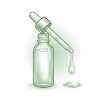
 Body care TOSUMI
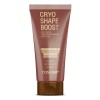
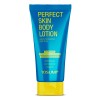
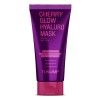
 Hair care YOCASE
 THE LAB BEAUTY / PANTHENOL-Intensive care
 New arrivals


- How Do Essential Oils Work and Which One Should You Choose?
- What Is an Essential Oil?
- How Do Essential Oils Work?
- Health Benefits of Essential Oils
- What Types of Essential Oils Are There?
- Tea Tree Oil
- Lavender Oil
- Eucalyptus Oil
- Mint Oil
- Rosemary Oil
- Lemon Oil
- Orange Oil
- Essential Oil Sets
- How to Choose the Right Essential Oil
- How to Use Essential Oils
- How to Use Essential Oil to Scent Your Home
- How to Store Essential Oils Properly
How Do Essential Oils Work and Which One Should You Choose?
Through smell and skin, essential oils affect the nervous and limbic systems, which are linked to emotions and memory. Oils can have antiseptic, anti-inflammatory and calming effects. It is recommended to choose natural essential oils and to use them in small amounts.
What Is an Essential Oil?
An essential oil is a concentrated mixture of aromatic substances obtained from parts of plants (leaves, flowers, stems, seeds) through distillation or pressing. Essential oils are easily evaporating liquids with a strong scent. They are used in aromatherapy, perfumery and cosmetology.
How Do Essential Oils Work?
Essential oils work through inhalation and topical application to the skin, affecting the brain's olfactory and limbic systems. Oils act on a psycho-emotional level and can improve mood. Depending on the type of oil, they can have toning, calming and anti-inflammatory effects.
Health Benefits of Essential Oils
Scientific evidence confirming the effect of essential oils on health is limited. Some studies point to their beneficial properties for the body. Health benefits of essential oils:
they reduce stress;
they boost work performance;
they improve concentration;
they ease nausea;
they lift your mood;
they help normalise sleep;
they kill bacteria and viruses;
they reduce inflammation and pain;
they relieve headaches.
Essential oils can stimulate collagen production and improve skin elasticity. Oils may also help boost appetite and digestion.
For a Better Mood and Less Stress
Essential oils that improve mood and reduce stress fall into two groups: relaxing (calming) and antidepressant (stimulating). Calming oils that aid relaxation and ease stress include lavender, chamomile, sandalwood and ylang-ylang. Stimulating oils that help lift the mood include bergamot, orange, lemon, jasmine and peppermint.
For Headaches and Migraines
Applied to the temples and forehead, an essential oil can have a pain-relieving and antispasmodic effect. Lavender, chamomile, lemon and basil oils help with headaches and migraines. To ease a headache, you can also do inhalations with the essential oils listed above.
For Fighting Insomnia
Many essential oils have calming and relaxing properties, which helps combat insomnia and anxiety. For sleep problems, lavender, chamomile, sage and ylang-ylang oils are helpful. You can sprinkle a few drops on your pillow or bedding, or take an aromatic bath to improve your sleep.
For Colds
Essential oils can be a supplementary remedy in treating colds, flu and viral infections. The following essential oils can be helpful for a cold:
eucalyptus;
mint;
pine;
fir;
thyme;
tea tree.
The oils listed above have anti-inflammatory, expectorant and antiviral properties. Inhalations with these oils make it easier to breathe through the nose when you have a runny nose. For example, an essential oil blend for colds boosts immune system activity and has a pain-relieving effect.
For Skin and Hair
Tea tree, bergamot, sandalwood and chamomile essential oils can be helpful for skin and hair. Oils can reduce inflammation on the skin and support the regeneration of new cells. For hair, you can use essential oils of jasmine, jojoba, lavender, chamomile and rosemary. Adding one or two drops of oil to a shampoo or mask will give hair shine and a pleasant scent.
For Mosquitoes
Essential oils of clove, lavender, peppermint and lemon have a strong scent and can repel mosquitoes, midges and flies. You can apply them to the body or use them in an aroma burner.
What Types of Essential Oils Are There?
Essential oils differ in their production method (distillation, pressing) and in the part of the plant (leaves, flowers, stems, fruit) from which the extract is obtained. Other ways of classifying essential oils:
by scent (coniferous, citrus, floral, woody);
by effect (toning, calming, antiseptic);
by intended use (cosmetic, therapeutic, perfumery).
There are essential oils for inhalation and for application to the skin. Different types of essential oils are used for the body, face and hair.
Tea Tree Oil
Tea tree essential oil has antimicrobial properties and can be used as a supplementary treatment for acne, athlete's foot and ringworm. It helps fight infections and boosts immunity. Tea tree also helps regulate sweating and sebaceous gland secretions. Tea tree essential oil eases nervous tension and stimulates mental activity.
Lavender Oil
Lavender essential oil can reduce anxiety, improve sleep and support wound healing. The oil stimulates appetite and improves digestion, and has bactericidal and antifungal effects. Lavender oil supports skin tissue regeneration and reduces flaking and irritation. It is not recommended during pregnancy or together with iodine and iron preparations.
Eucalyptus Oil
Eucalyptus essential oil has antiviral, immune-stimulating and antiseptic properties, and can be used for inhalation during flu and viral infections. Applied to the skin, it helps heal minor wounds, cuts and inflammation. It can speed up hair growth and serve as dandruff prevention. Eucalyptus also eases nervous tension and has a relaxing effect.
Mint Oil
Mint essential oil can have antipyretic, anti-swelling and bactericidal effects. It activates cognitive functions (memory, attention) and helps improve blood circulation. Peppermint can ease the symptoms of irritable bowel syndrome, improve digestion and prevent cramps. The oil can also be used for inhalation when you have a cold.
Rosemary Oil
Rosemary essential oil has pain-relieving and anti-inflammatory effects. It can be added to massage oils and help ease joint pain. It may potentially improve blood circulation and speed up hair growth. Rosemary can also be added to facial cosmetics and help reduce inflammation and breakouts. In addition, rosemary extract helps combat fatigue and indigestion.
Lemon Oil
Lemon essential oil refreshes and brightens the skin, helps lighten hair and remove dandruff. Lemon extract relieves pain, reduces nausea and kills bacteria. The essential oil is a natural repellent and, when diffused or applied to the skin, protects against mosquitoes. It also has toning properties and provides energy and vigour.
Orange Oil
Orange essential oil has antidepressant, anti-inflammatory and antiseptic properties. The oil can be applied to the skin and added to cosmetics and cleaning products. Orange improves mood and reduces anxiety. It has an anti-cellulite and antifungal effect. Orange extract also helps improve concentration.
Essential Oil Sets
Essential oil sets consist of several plant extracts with similar effects. For example, an essential oil blend for colds contains eucalyptus, pine and neroli, which have anti-inflammatory, antipyretic and pain-relieving properties.
There are essential oil sets for baths, inhalations and air humidifiers. For example, the “Enjoy Your Bath” essential oil blend contains eucalyptus, mint and juniper, which make breathing easier and speed up blood circulation.
How to Choose the Right Essential Oil
To choose a high-quality essential oil, pay attention to the packaging and the production method. A good oil should be free of additives and synthetic impurities. The choice of essential oil also depends on the purpose of use. For example, rosewood or clove oil is well suited to scenting a room. For relaxation and reducing anxiety, you can choose wormwood or mint essential oils. To boost appetite and improve digestion, cinnamon or vanilla oils are a good fit. For hair and skin, chamomile and tea tree extracts are beneficial.
How to Use Essential Oils
Essential oils can be used for baths and massage, and added to cosmetics. To freshen up a room, essential oils can be added to a diffuser (an ultrasonic humidifier) or an aroma burner. A table of essential oil uses is provided below.
How to Use Essential Oil to Scent Your Home
Essential oil can be added to water when cleaning the house. Plant extracts can also be used in aroma burners, air fresheners and humidifiers. To improve the scent of a room, you can use scented candles or add a few drops of essential oil to your bedding.
How to Store Essential Oils Properly
Essential oils should be stored in a cool, dark place. Avoid plastic containers for storage, as they can oxidise. It is best to choose dark-coloured glass packaging, because sunlight can alter the oil's composition. After use, close the container tightly to prevent the essential oil from evaporating.
Did you like this publication?


