
 Products for professionals GREEN PHARM COSMETIC





 Face care GREEN PHARM COSMETIC
 Body care TOSUMI




 Hair care YOCASE
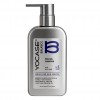
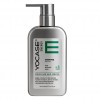

 THE LAB BEAUTY / PANTHENOL-Intensive care
 New arrivals


- Ginger: benefits and harms for the body
- What is ginger and where does it grow?
- Is turmeric the same as ginger?
- Why is ginger good for you?
- Why is ginger good for men?
- Why is ginger good for women?
- Benefits of ginger for the skin
- Benefits of ginger tea
- Does ginger help you lose weight?
- How to take ginger?
- How to drink ginger for a cold?
- Possible harms of ginger to health
- Who should not take ginger?
- How to store ginger?
- How to pickle ginger?
Ginger: benefits and harms for the body
Ginger has anti-inflammatory and antioxidant properties that improve digestion, help lower blood sugar levels and strengthen the immune system. However, consuming it in excess can cause stomach irritation, especially in people with peptic ulcers or gastritis, and can increase the risk of bleeding when used together with anticoagulants.
What is ginger and where does it grow?
Ginger is a tropical plant whose root is used as a spice and a medicinal remedy. It has a sharp, spicy flavour thanks to the essential oils it contains and a substance called gingerol.
Ginger grows in warm, humid climates in India, China, Indonesia, Thailand, Jamaica and Nigeria. It is cultivated in shaded spots, because direct sun can damage the rhizome.
Ground ginger is obtained by drying and grinding the root, while preserving its sharp flavour and aroma. Dry ginger is widely used in cooking, especially in baking, drinks and spice blends.
Is turmeric the same as ginger?
Turmeric is not ginger, although both plants belong to the same family, the ginger family (Zingiberaceae). They have similar rhizomes and are used in cooking and medicine, but they are different plants with a distinct chemical composition and action.
Ginger contains gingerol, an active substance with anti-inflammatory and anti-emetic effects. Turmeric contains curcumin, a substance with antioxidant and potentially anti-cancer properties, although clinical evidence for its effectiveness is still limited.
Why is ginger good for you?
The benefits of ginger are linked to its biologically active substances, especially gingerol, which has anti-inflammatory and antioxidant effects. Moderate consumption of ginger can have a positive impact on digestion, immunity and overall well-being.
Ginger contains vitamin C to support immunity, vitamin B6 for metabolism and the nervous system, as well as magnesium, potassium, iron, copper and manganese, minerals important for muscle and heart function, blood formation and antioxidant protection.
In addition, the benefit of ginger root lies in its effect on the functions of the digestive tract: it stimulates the production of digestive enzymes and reduces nausea, including in pregnant women and during chemotherapy. Benefits of ginger for the body:
reduces inflammation and pain in osteoarthritis;
eases symptoms of nausea and motion sickness;
helps with digestive disorders;
may moderately lower blood glucose levels;
has a mild warming effect during a cold.
The health-giving properties of ginger make it a valuable natural remedy that, when used sensibly, can complement a healthy diet. However, if you have chronic conditions, it is better to consult a doctor before consuming it regularly.
Anti-inflammatory balms with ginger extract have a warming effect and help reduce muscle and joint pain. Anti-inflammatory products with ginger root improve blood circulation, relieve swelling and promote tissue relaxation.
Why is ginger good for men?
For men, ginger is beneficial thanks to its anti-inflammatory, vasodilatory and antioxidant properties. The active compounds in ginger have a positive effect on overall well-being, metabolism and the functioning of the reproductive system. The benefits of ginger for men may include:
improved blood circulation, including in the pelvic organ area;
a mild increase in testosterone levels with regular consumption;
support for libido and sexual function;
reduction of oxidative stress, which affects sperm quality;
reduction of muscle pain after physical exercise;
support for immunity and reduced inflammation in chronic conditions.
In addition, ginger root is helpful for improving digestion, lowering "bad" cholesterol and stabilising blood sugar, which is important for preventing metabolic disorders in men over the age of 35.
Why is ginger good for women?
For women, ginger is valuable for its anti-inflammatory, antispasmodic and antioxidant properties. Its active compounds gently affect hormonal balance and overall well-being. Benefits of ginger for women:
easing PMS symptoms and menstrual pain by reducing cramps and inflammation;
reducing nausea in the first trimester of pregnancy;
support for the immune system and prevention of colds;
speeding up metabolism and aiding weight loss;
improving skin condition thanks to antioxidants;
support for digestion and reduction of bloating.
The properties of ginger are especially valuable during periods of hormonal change, during menstruation, pregnancy and menopause. In addition, the benefit of ginger root shows in its ability to stabilise blood sugar levels and help cope with chronic fatigue.
Benefits of ginger for the skin
The benefits of ginger for the skin are linked to its anti-inflammatory and antiseptic properties. It helps improve microcirculation, evens out skin tone and promotes the reduction of inflammation, acne and redness.
Ginger extract is often used in masks and creams to give the skin freshness and firmness. For example, a cream with ginger root extract moisturises the skin, strengthens its protective functions and gives a natural glow by stimulating blood circulation.
Thanks to gingerol, ginger protects skin cells from oxidative stress and slows down the ageing process. Regular external use can improve skin texture and give it a healthier look.
Benefits of ginger tea
Ginger tea can have a mild anti-inflammatory and warming effect during the cold season. The active substances in ginger help reduce the severity of symptoms in respiratory tract infections (a scratchy throat, a blocked nose and aching bones). Combined with lemon, a source of vitamin C, and honey, which has antimicrobial properties, ginger tea supports immunity and eases the condition during a cold.
Ginger, lemon, honey, this is not just a home remedy but a combination of ingredients that help reduce inflammation and improve well-being. However, this drink does not replace primary treatment and is recommended as a supportive remedy when there are no contraindications.
Does ginger help you lose weight?
Ginger for weight loss can be helpful as a supportive remedy, but it is not a standalone way to lose weight. Gingerol, the active substance in ginger, can slightly speed up metabolism, reduce appetite and improve digestion. Some studies suggest that regular consumption of ginger as part of a balanced diet can promote a moderate drop in body weight and a reduction in waist circumference. However, the weight-loss effect remains modest and depends on your overall lifestyle. The benefits of ginger only show in combination with physical activity, calorie control and balanced nutrition.
How to take ginger?
Ginger can be taken fresh, dried or ground, adding it to tea or dishes, or taking it as an infusion. The optimal daily dose for adults is two to four grams of dry powder or up to 10 g of fresh root.
How to drink ginger for a cold?
Drinking ginger for a cold is beneficial, because the drink helps reduce a sore throat and a blocked nose and supports immunity. You can make the tea by adding ginger, lemon and honey, the proportions for a cold are simple: for 250 ml of hot water, take one teaspoon of grated ginger, a few slices of lemon and one teaspoon of honey.
To strengthen the effect, you can use the "ginger, lemon, honey, turmeric" recipe by adding a pinch of turmeric to the drink. The tea helps you deal with the symptoms of a viral infection faster, especially if you drink it two to three times a day while warm.
Possible harms of ginger to health
Despite its beneficial properties, ginger can be harmful in certain conditions and disorders. It can cause irritation of the stomach lining, worsen heartburn and impair blood clotting (especially in high doses). People with peptic ulcers, gastritis, gallstones, or those taking anticoagulants, should be cautious and not exceed the recommended doses.
In rare cases, ginger is harmful for men, especially with prostatitis or hypersensitivity to the components of the plant. Ginger can increase blood flow and cause temporary discomfort if there are chronic inflammatory processes in the pelvic organs.
Who should not take ginger?
Contraindications for consuming ginger include peptic ulcer disease, gastritis in the acute phase, gallstone disease and blood-clotting disorders. Ginger root is also not recommended with a high fever, severe hypertension and in the third trimester of pregnancy. The contraindications for consuming a mixture of ginger, lemon and honey are similar, it can worsen irritation of the mucous membranes and trigger adverse reactions in people allergic to its ingredients.
How to store ginger?
Fresh ginger is best stored in the fridge, wrapped in a paper towel and placed in an airtight container, this way it stays fresh for up to two to three weeks. Dried and ground ginger should be kept in a tightly sealed jar in a dry, dark place, away from moisture and sunlight.
How to pickle ginger?
To make pickled ginger, peel the fresh root and cut it into thin slices. Pour boiling water over the sliced ginger for one to two minutes, then drain it in a colander. For the marinade, mix 100 ml of rice vinegar, two tablespoons of sugar and half a teaspoon of salt, bring to a boil and let cool. Pour the cooled marinade over the ginger. Store it in a glass jar in the fridge, after two to three days the pickled ginger is ready to eat.
Did you like this publication?


